Bankroll Basics for Cash Games

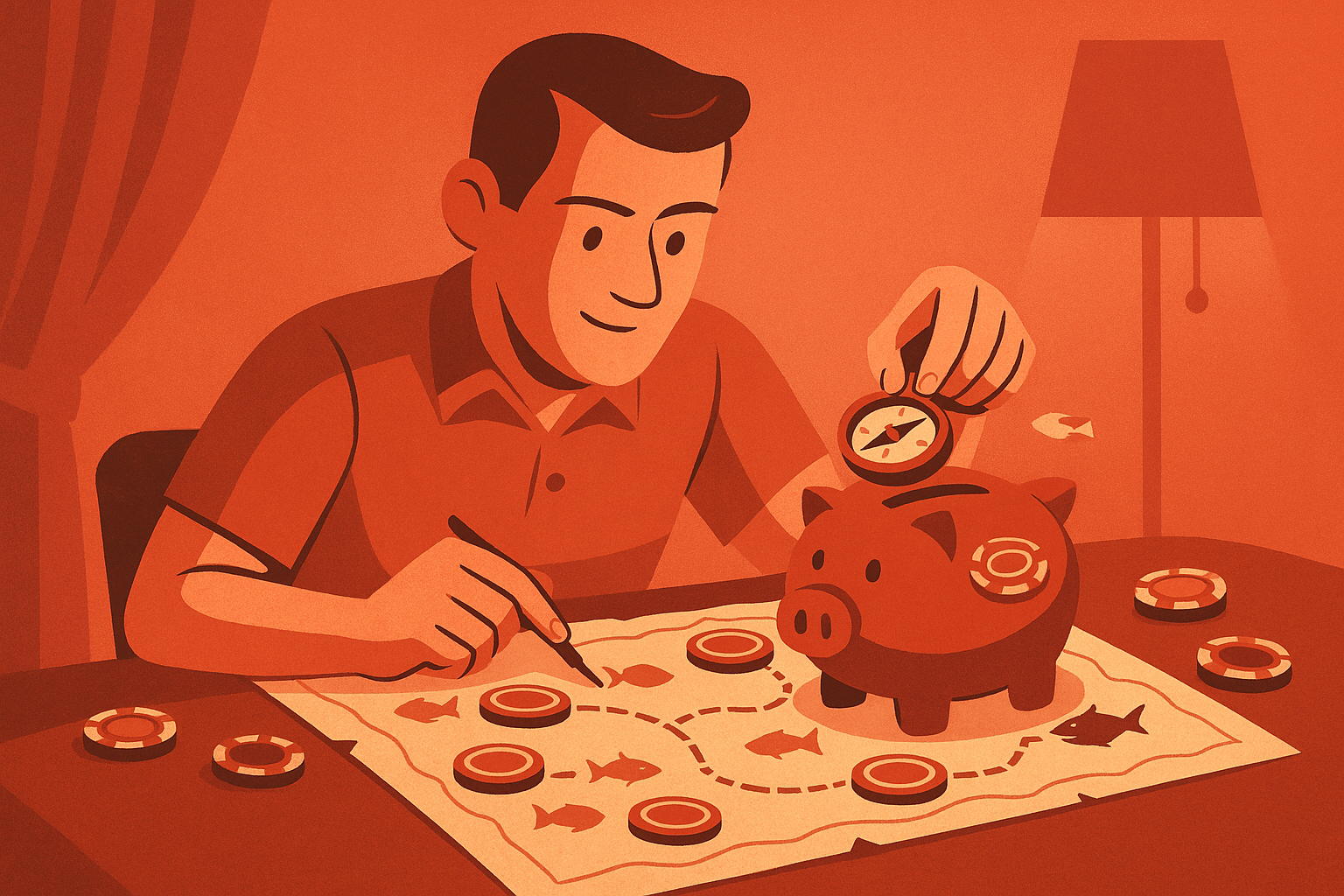
Your bankroll isn't just money—it's your oxygen tank at the poker table. It keeps you breathing through the downswings, protects you from ruin, and gives you the freedom to make the right decisions instead of the emotional ones. Managing it wisely doesn't make you cautious; it makes you durable.
The True Purpose of a Bankroll
Most beginners think of their bankroll as a pile of buy-ins. In truth, it's a safety system designed to protect your mental game. A proper bankroll lets you sit at the table without fear of busting in a single night. It shields you from the wild streaks of luck that every poker player faces—because even the best in the world lose dozens of buy-ins during cold runs.
Your bankroll also separates poker from your real life. The moment your rent or grocery money mixes with your poker funds, pressure replaces focus. A clean divide—poker money vs. life money—is the first rule of sustainability.
How Much Is Enough?
There's no single magic number, but there are solid guidelines. For No-Limit Hold'em cash games, most players keep somewhere between 20 and 50 full buy-ins for their main stake.
Around 20 buy-ins might suit a player who's winning consistently, comfortable moving down when needed, and playing in soft games.
Closer to 40 or 50 buy-ins fits players who dislike volatility or want to weather long breakeven stretches without stress.
If you're playing for income or grinding tougher games, more is always better. The point is to choose a cushion that fits your psychology. Some players panic after losing two buy-ins; others shrug off ten. Your bankroll should match the version of you that plays calmly and clearly.
Variance, Rake, and Reality
Even if you play perfectly, poker's variance can be brutal. Bad beats and dry spells are baked into the game. Your edge shows only over thousands of hands, not days or sessions. That's why you build a bankroll large enough to let variance unfold without affecting your confidence.
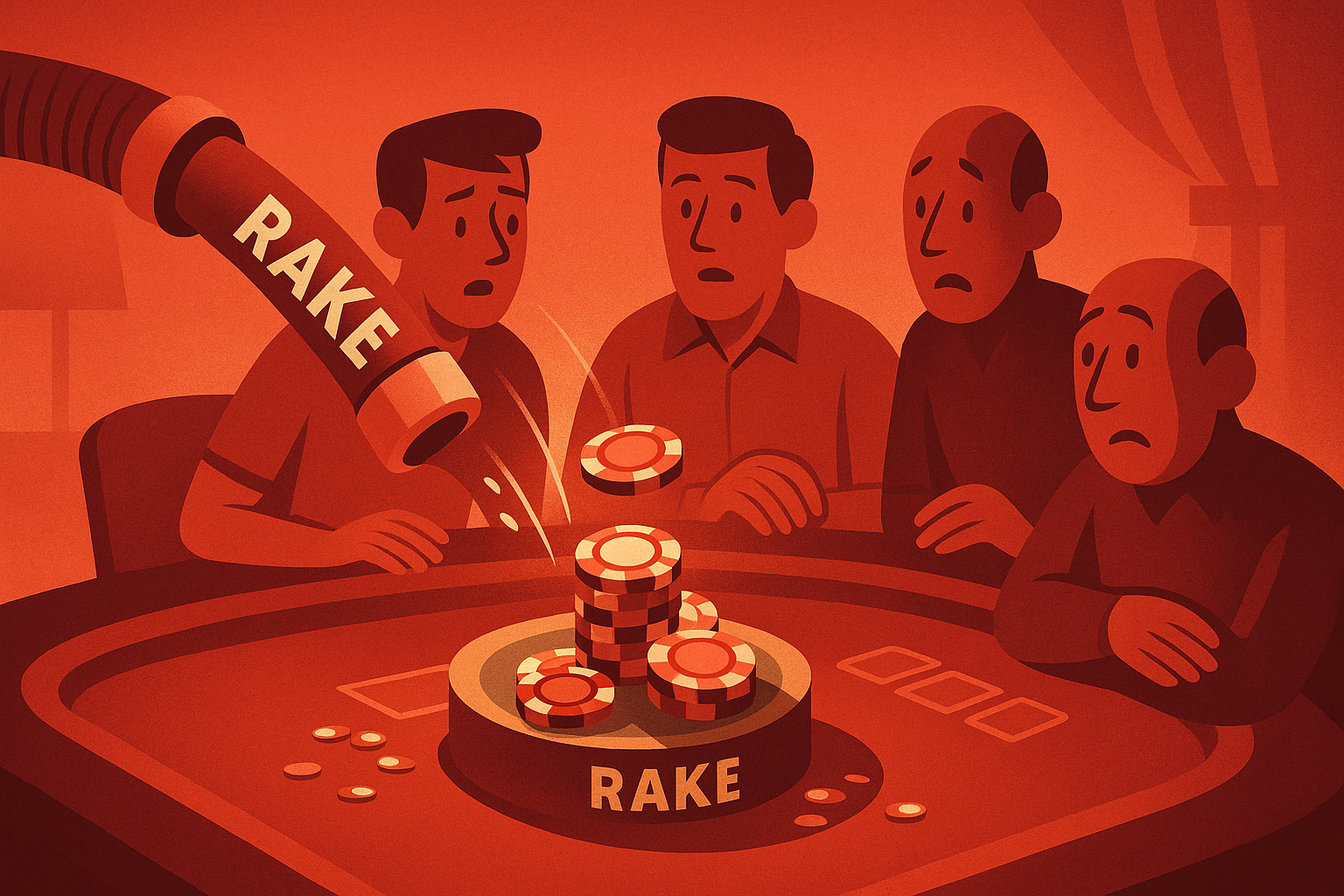
And then there's rake, the silent killer. In cash games, the house takes a piece from nearly every pot. The smaller the stakes, the bigger the effect. High rake makes marginal calls and thin value bets worse—and it eats into your win rate. A tighter game with slightly higher stakes but lower rake can sometimes be safer for your bankroll than a micro-stakes rake trap.
Think of your bankroll as your defense not only against variance, but also against structural costs like rake and bad seat selection.
The Human Side: Emotions and Limits
Bankroll management isn't purely mathematical; it's emotional insurance. Ask yourself: how many buy-ins can you lose before frustration clouds your judgment? That's your personal risk tolerance, and it should shape how deep your bankroll goes.
Set session limits. For example, stop playing if you're down three buy-ins or up four—either way, emotion creeps in at the edges. Walking away when you're tilted isn't weakness; it's bankroll protection disguised as discipline.
When you feel pressure to "win it back," you stop thinking in terms of ranges and start thinking in terms of revenge. That's when bankrolls vanish.
Shot-Taking and Moving Down Gracefully
Taking a shot at higher stakes is exciting—but only if you plan it like a mission, not a gamble. Bring a limited number of buy-ins to test the new level—say, five. If you drop two or three, move back down immediately. This isn't failure; it's feedback. When you return later with more experience (and maybe a bigger roll), that game will feel less intimidating.
Likewise, don't hesitate to move down when variance hits. Swallowing pride and grinding smaller games is the quiet skill that separates long-term winners from busted egos. Every successful player has done it.
The Structure Behind Stability
A good bankroll plan lives inside a broader structure:
- Keep your poker money separate—preferably in its own account or e-wallet.
- Don't use it for bills or nights out.
- Track your sessions and stakes to know your real results.
- If you play different formats (say, live and online), split your bankroll into sub-pools so one can't drag the other under.
Stability is about insulation, not restriction.
The Goal: Freedom to Play Well
The real purpose of bankroll management isn't to avoid risk—it's to free your mind from it. When your finances can handle a bad run, you can play aggressive lines without fear. You can fold when you should, bluff when it's right, and stop chasing outcomes. A proper bankroll lets your decision-making stay pure.
Variance may not care about skill, but bankroll management lets skill outlast variance.
So before you chase the next buy-in, build the foundation that keeps you in the game. Your bankroll isn't just chips in a drawer—it's your license to keep playing poker on your own terms.
Ready to Build Your Bankroll Smartly?
Get access to complete strategy guides, bankroll tracking tools, and expert advice to help you manage your poker finances like a pro. Join RiverNuts and play with confidence.
Join Beta Now