The Art of Table and Seat Selection: Playing Poker Before the Cards Are Dealt
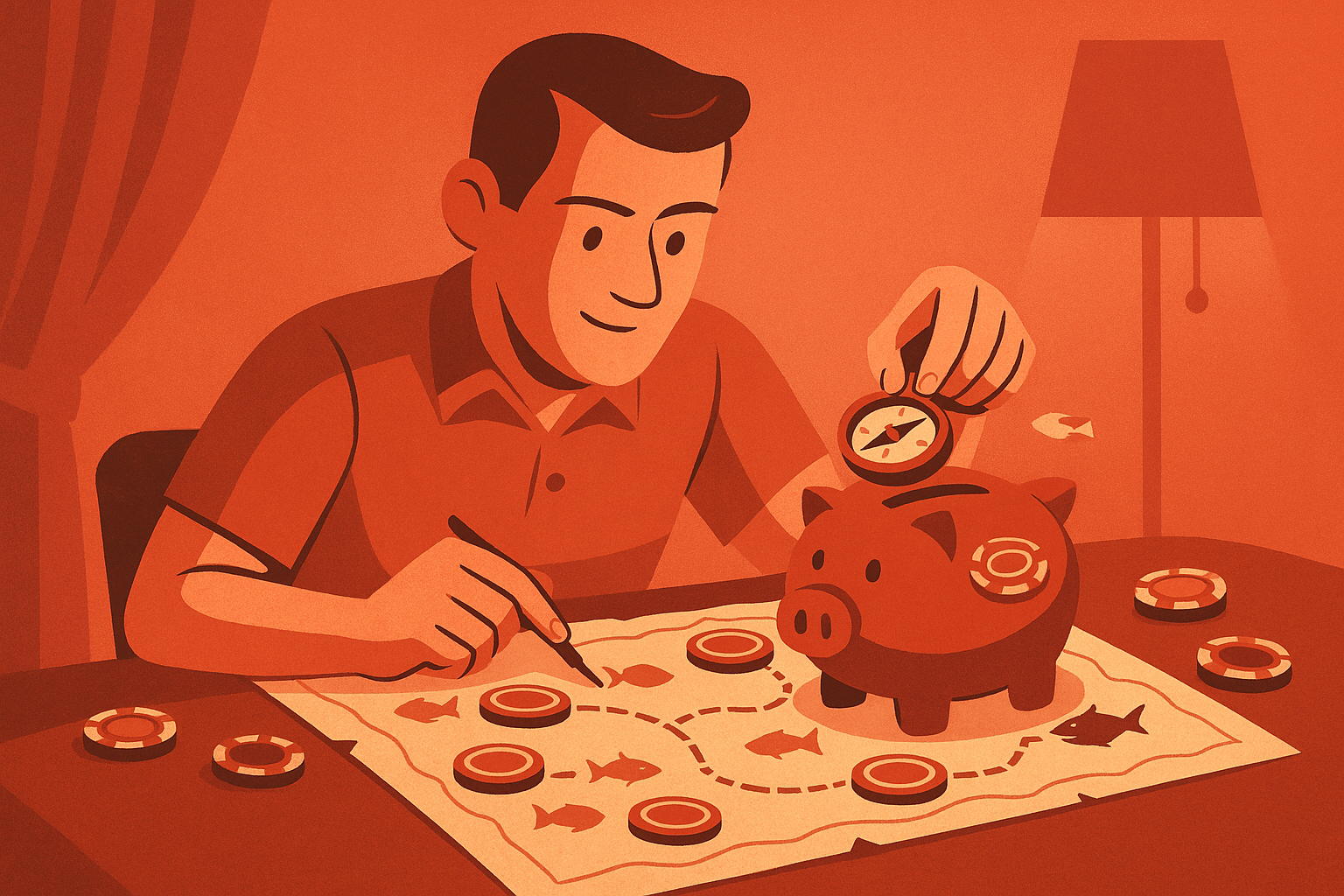
Before the first card is even pitched, the most important decisions in poker have already been made — where you sit, and with whom you play. You can't choose your cards, but you can choose your opponents and the seat that gives you the best shot to profit. In cash games, that choice often matters more than any river bluff you'll ever make.
Finding the Right Table
A good table isn't defined by big pots or loud players — it's defined by mistakes. Your goal is to find a table where at least one or two players are consistently doing something wrong, and ideally where you'll be in position against them.
Online, this starts with quick reconnaissance. Many platforms still show average pot sizes and players per flop percentage. High numbers usually mean action — players calling too wide, chasing too far, and building pots you can harvest. At the table level, the signs of a recreational player (the "fish") are clear:
- Very high VPIP (they play far too many hands).
- A big gap between VPIP and PFR (they call far more than they raise).
- Odd bet sizes — min-bets, strange overbets, or pot-sized barrels that make no strategic sense.
- Short stacking — they buy in for half the max or less, avoiding deep decisions.
- And perhaps most revealing, strange showdowns — seeing someone limp-call preflop and reach the river with a hand like 9♦ 4♣ on a K-high board tells you everything you need to know.
Those are the players who turn the rake into an afterthought and the session into an opportunity.
Where to Sit: The Positional Advantage
Once you've found the right table, the next step is finding the right seat. Your chair determines how often you'll act last — and in poker, acting last is power.
The best seat relative to a recreational player is to their left — that means they're on your right. You'll have position on them in almost every hand. You get to see what they do first, and you can isolate their limps or weak opens with stronger ranges. This lets you control pot size and exploit their mistakes before anyone else can jump in.
The same logic applies to strong regulars, though for a different reason. Sitting to the left of a tough reg shields you from their positional pressure. They act before you, not after — meaning fewer squeeze plays and fewer spots where you're trapped out of position.
Think of it like this:
- You want the fish on your right, so you act after them.
- You want the good regs on your right, so you act after them too.
- In short — you want position on everyone who matters.
If the table layout flips — the fish leaves or a strong reg sits directly to your left — don't hesitate to change seats or change tables. That's not cowardice; that's game selection discipline.
When You Can't Choose
Not every site gives you the freedom to hand-pick your chair. Many online platforms today use automated or anonymous seating to curb seat-hunting. You can't pick who sits where; you simply join the next available seat.
That doesn't mean table selection is dead — it just means it's faster and more fluid. If the lineup looks tough, or there's no obvious recreational player after a few orbits, just stand up and find another table. Volume only matters if you're playing in profitable conditions.
Reading the Hard Stats
If you're playing online with a HUD, a few numbers tell you almost everything you need to know:
- VPIP: how often a player voluntarily puts money in the pot.
- PFR: how often they raise preflop.
- VPIP–PFR gap: the bigger the gap, the more passive (and usually weaker) the player.
A VPIP of 45% with a PFR of 15%? That's a gold mine. A VPIP of 22% and a PFR of 18%? That's a competent regular — not your target.
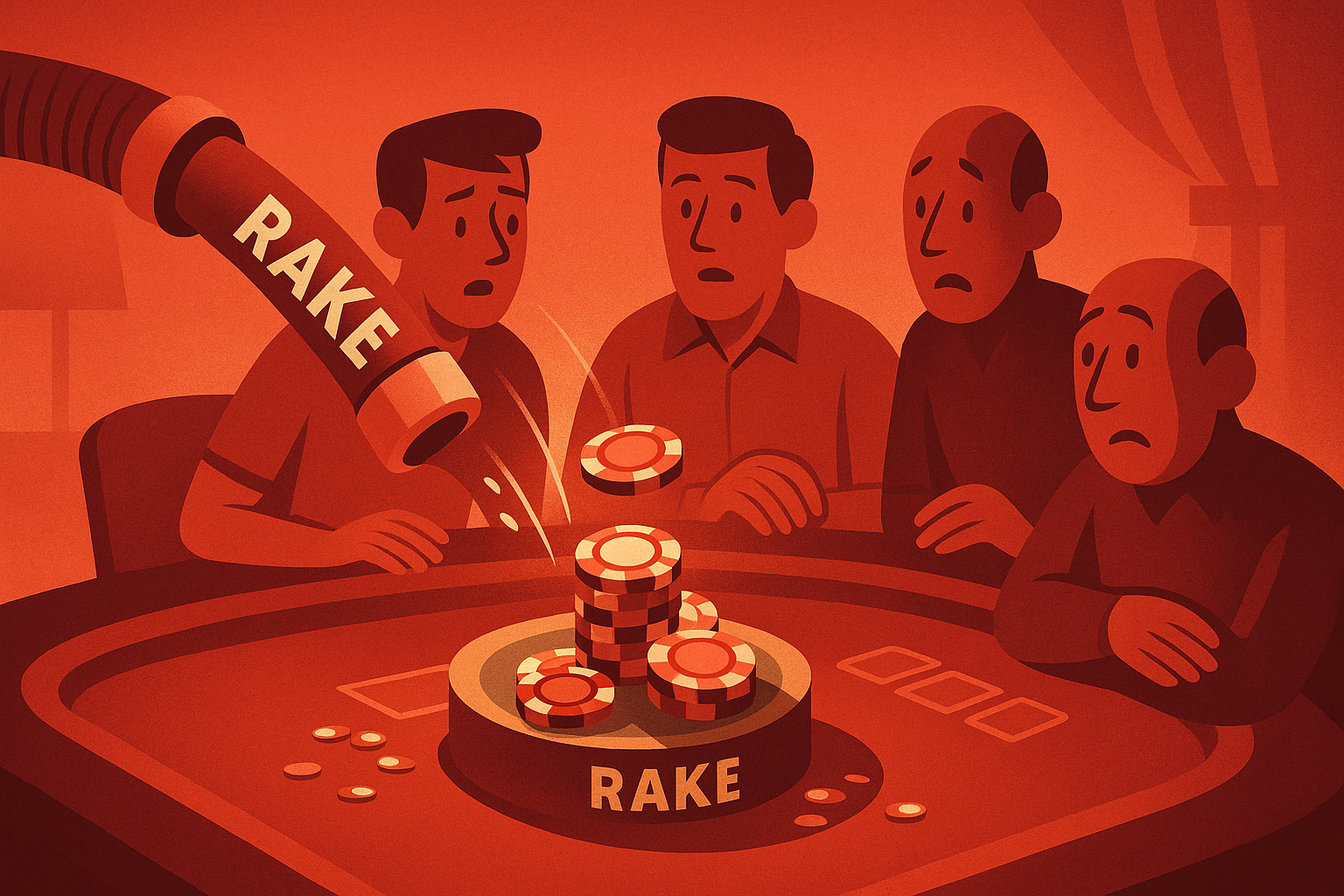
Keep one more thing in mind: rake magnifies the value of table selection. In rake-heavy environments, especially at the micros, your edge often disappears against tight, solid opponents. You need weaker players in the pool to stay profitable. (We covered rake's impact in detail in our previous article.)
The Live Arena
Live table and seat selection follow the same logic — but now, you're the HUD. Before sitting down, walk the room. Look for tables with laughter, limp-calling, splashing chips, and players stacking short. Drinks and conversation are often better tells than sunglasses and headphones.
If you spot an obvious recreational player, ask the floor for a seat to their left. That puts them on your right — the same positional advantage you'd chase online. If the weak player leaves or the dynamic shifts, don't hesitate to request a seat change.
In live poker, this isn't rude — it's routine. Pros do it quietly and constantly.
Playing Poker Before the Cards
Table and seat selection are poker's hidden front lines. Long before you play a hand, you're already deciding how easy or difficult your session will be. Every orbit in position against a weaker player compounds your edge; every orbit out of position against a strong one eats away at it.
Be deliberate. Sit where the mistakes flow toward you, not away from you. Poker rewards the patient hunter, not the hero who fights uphill for pride.
If you want to learn more about how to exploit weaker players for maximum EV, head over to RiverNuts.io, where you'll find answers drawn from our MDA database — real data, real leaks, and real strategies to turn good seats into great sessions.
Ready to Find Your Edge Before the Cards Are Dealt?
Get access to player tendency data, opponent profiling tools, and expert table selection strategies to help you maximize your edge. Join RiverNuts and start winning from seat one.
Join Beta Now